Repeatable checklist
Make observations simple enough for a household, staff member, or property manager.
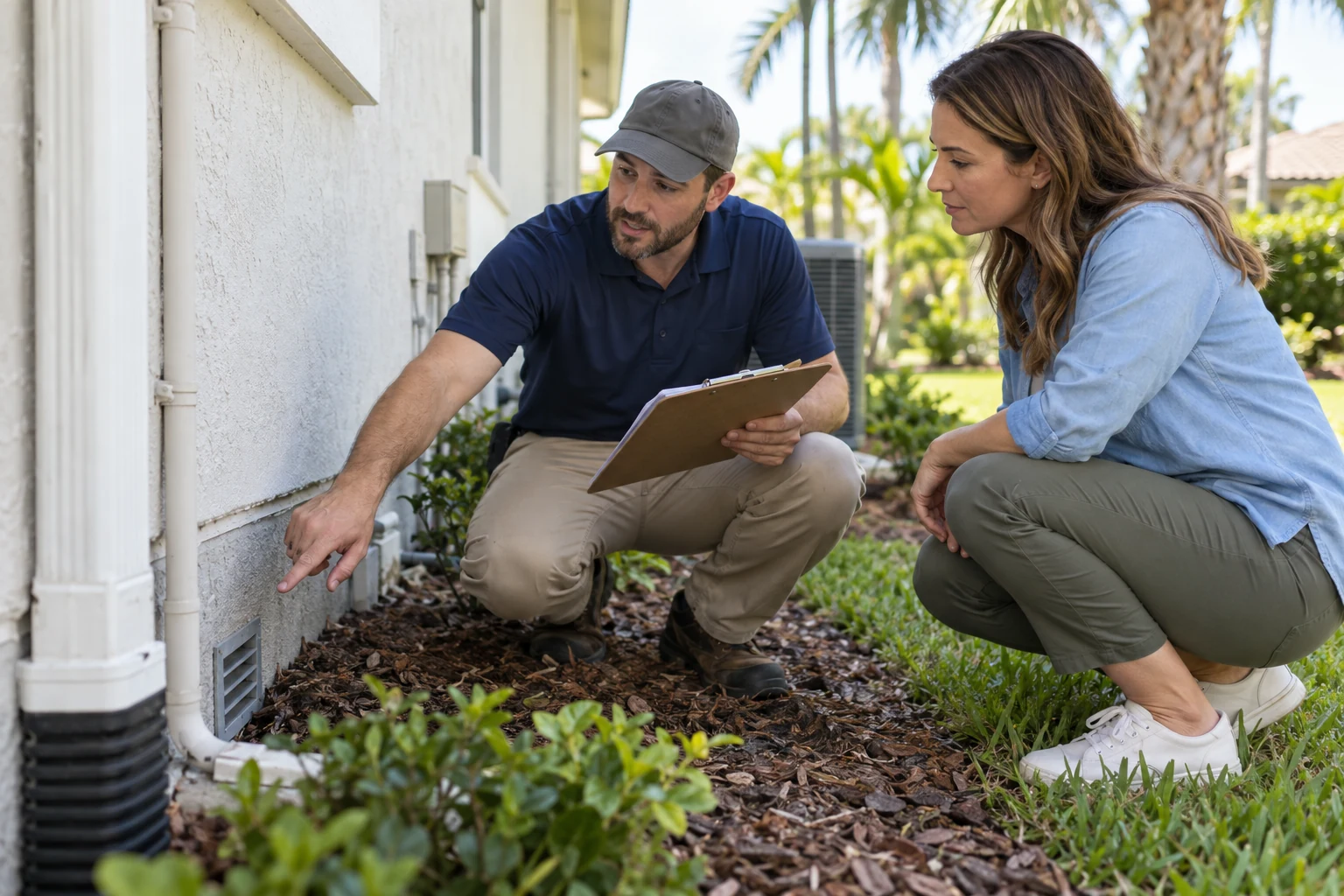
Prevention is most useful when it becomes a routine rather than a one-time promise. A property can be quiet today and still have a vulnerable roofline, an accessible food source, a damaged screen, or a storage area that changes with the season.
Make observations simple enough for a household, staff member, or property manager.
Update the plan after storms, landscaping, construction, occupancy, or storage changes.
Recheck the openings and routines most likely to shift.
Know when a prevention note has become a removal or inspection call.
For Ongoing Rodent Prevention, the visit connects the reported signs to the building conditions that can sustain them.
Our prevention work is built around the property’s weak points: what should be checked, what occupants can handle, what needs a professional review, and what signs should trigger a faster call.
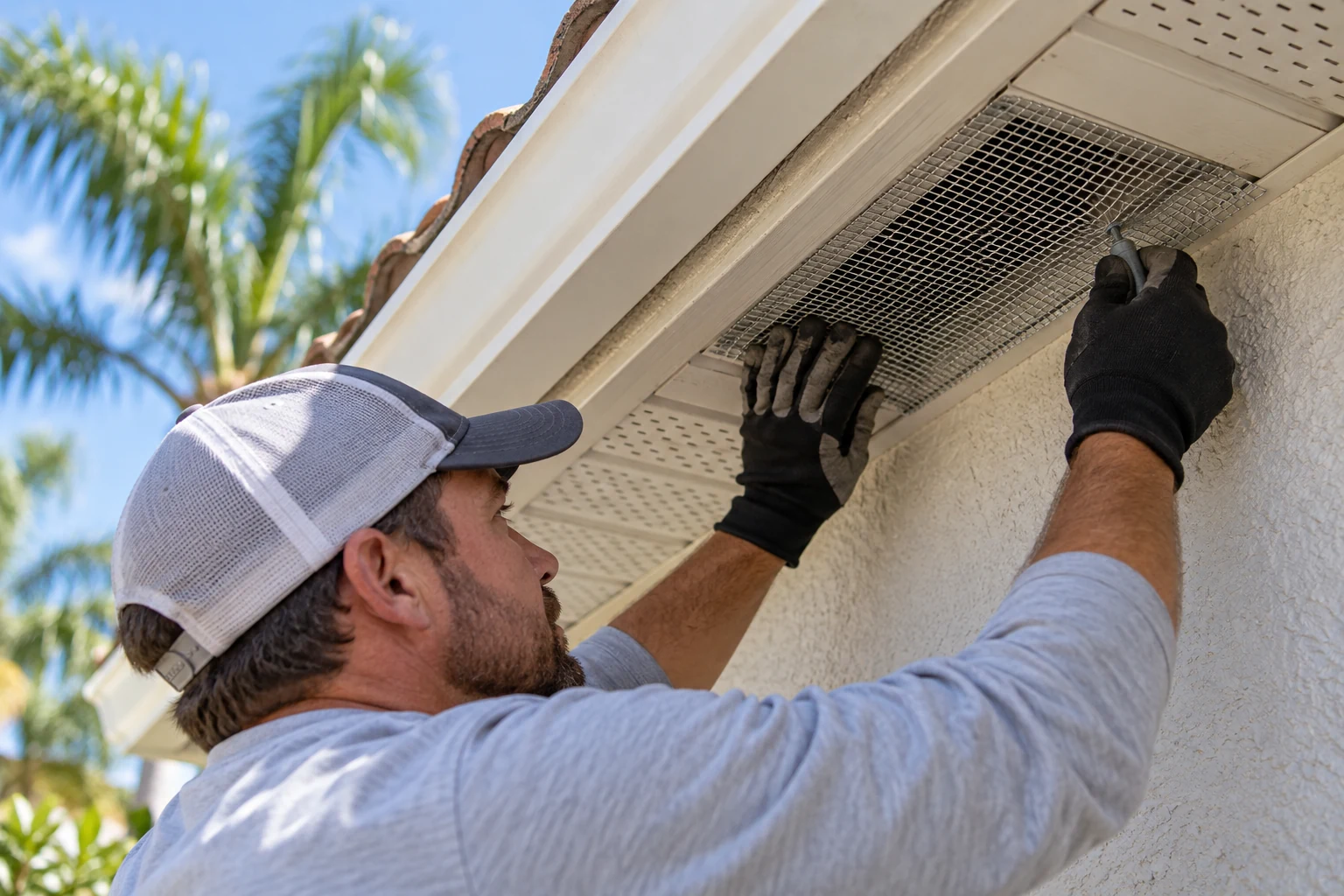
A quiet property still changes. Prevention works when the plan is connected to the building, its routines, and the people who can notice small changes early.
The Ongoing Rodent Prevention visit follows the evidence most relevant to this service, then sets the next action in a clear order.
We begin with past activity, previous repairs, recurring signs, and any changes to landscaping, storage, occupancy, or construction.
The map identifies access points, attractants, inspection zones, and the people responsible for routine observation.
Follow-up can be organized around the property’s access, risk, and use rather than a one-size-fits-all calendar.
Renovations, storms, new tenants, landscaping, and maintenance work can change the building envelope. The prevention plan should change with it.
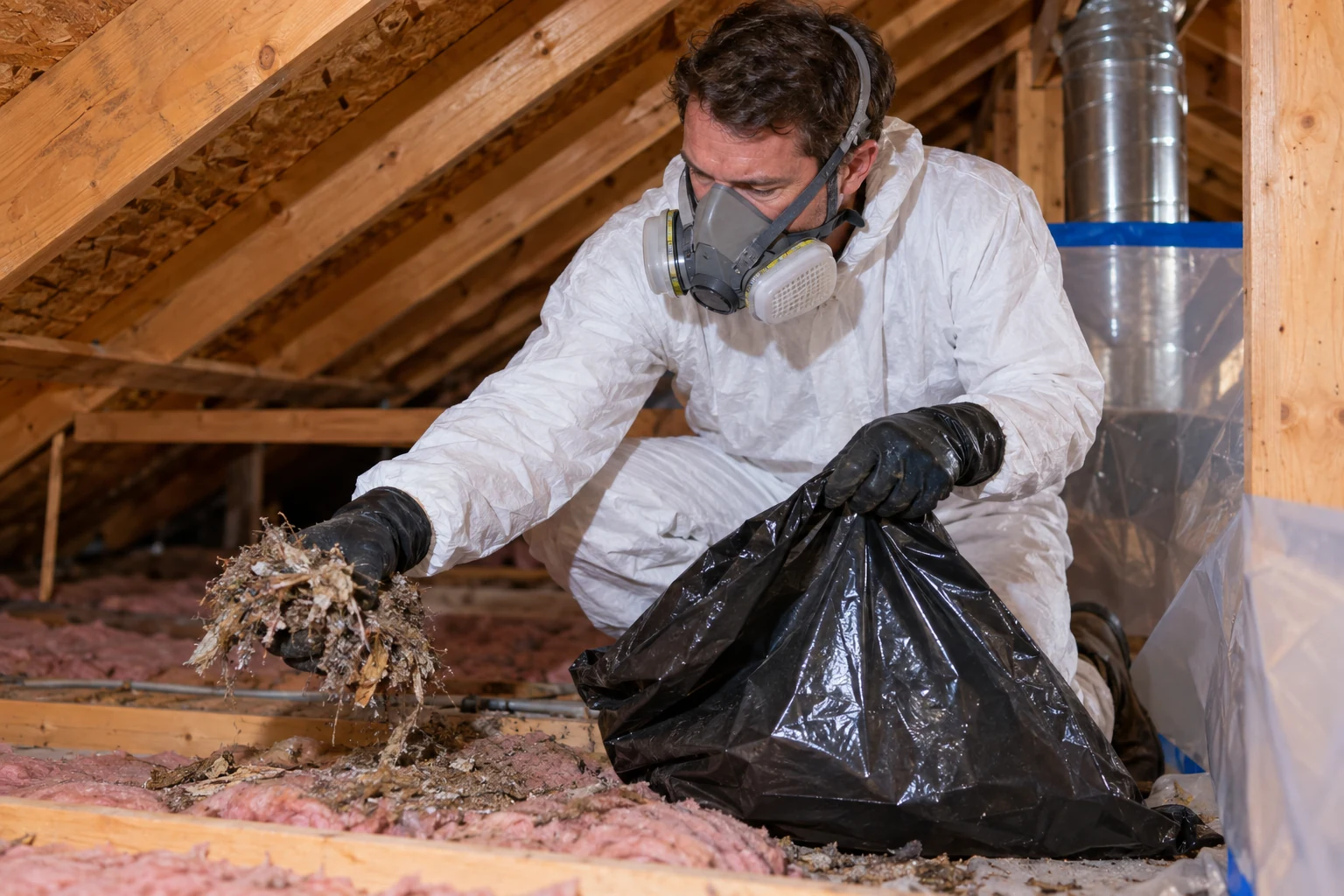
A prevention plan earns its place by making small observations useful before they become an urgent property problem.
Prevention is not a promise that activity cannot happen. It is a repeatable way to notice and respond when routines shift.
Use this service after control work, for recurring vulnerabilities, or when owners and managers need a practical inspection checklist.

A good routine is selective: it checks what changes, not every inch of the property every day.
Use the property history to focus the next review.
Assign safe checks to the person who uses or manages the space.
Screens, doors, vents, landscaping, and storage often change first.
Fresh or increasing signs need inspection or control, not another checklist.

The strongest checklist is short, specific, and tied to the way the property is used.
List roofline, doors, vents, garage, waste, storage, and landscape edges.
Note what normal looks like before the next seasonal or occupancy change.
Decide who records a sign and who schedules a review.
Define fresh evidence, damage, odor, or occupied-space activity needing a call.
Leave with a routine someone can use, a repair list someone owns, and a clear point where monitoring becomes service.
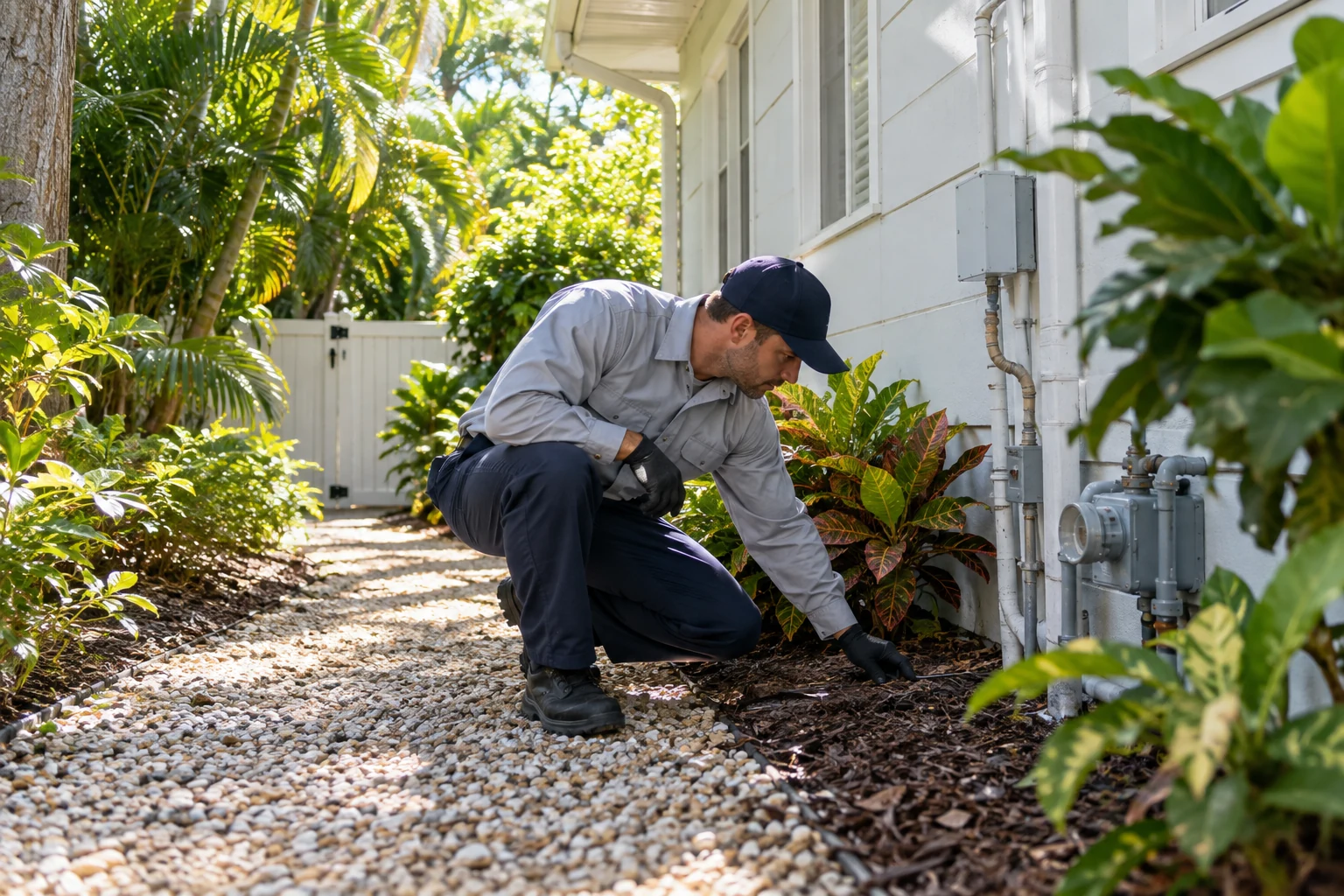
A checklist is not a substitute for action when evidence is current or increasing.
Move from observation to inspection or removal planning.
Recheck after roof, door, vent, screen, or utility work.
Update food, waste, and access routines.
An exclusion review may help more than another reminder.
Tell us what happened before, what changes seasonally, and which people or spaces need a repeatable checklist.
A short, assigned checklist makes prevention useful between professional visits.
Check doors, vents, roofline, screens, and utility openings
Review waste, food, storage, landscaping, and deliveries
Define the fresh sign that should become a service call
It depends on the property and the conditions that allowed activity. Prevention is most valuable when access or attractants are likely to change.
It may include exterior openings, door and vent conditions, storage, waste areas, signs of activity, and whether previous recommendations remain intact.
Yes. A written checklist can help managers, staff, tenants, and service providers notice the same indicators and respond consistently.
Escalate when signs are fresh or increasing, activity reaches occupied areas, damage is present, or the property cannot be safely monitored without help.
For Ongoing Rodent Prevention, describe the affected space, the timing, and what has already changed so the first conversation is useful.
Describe the problem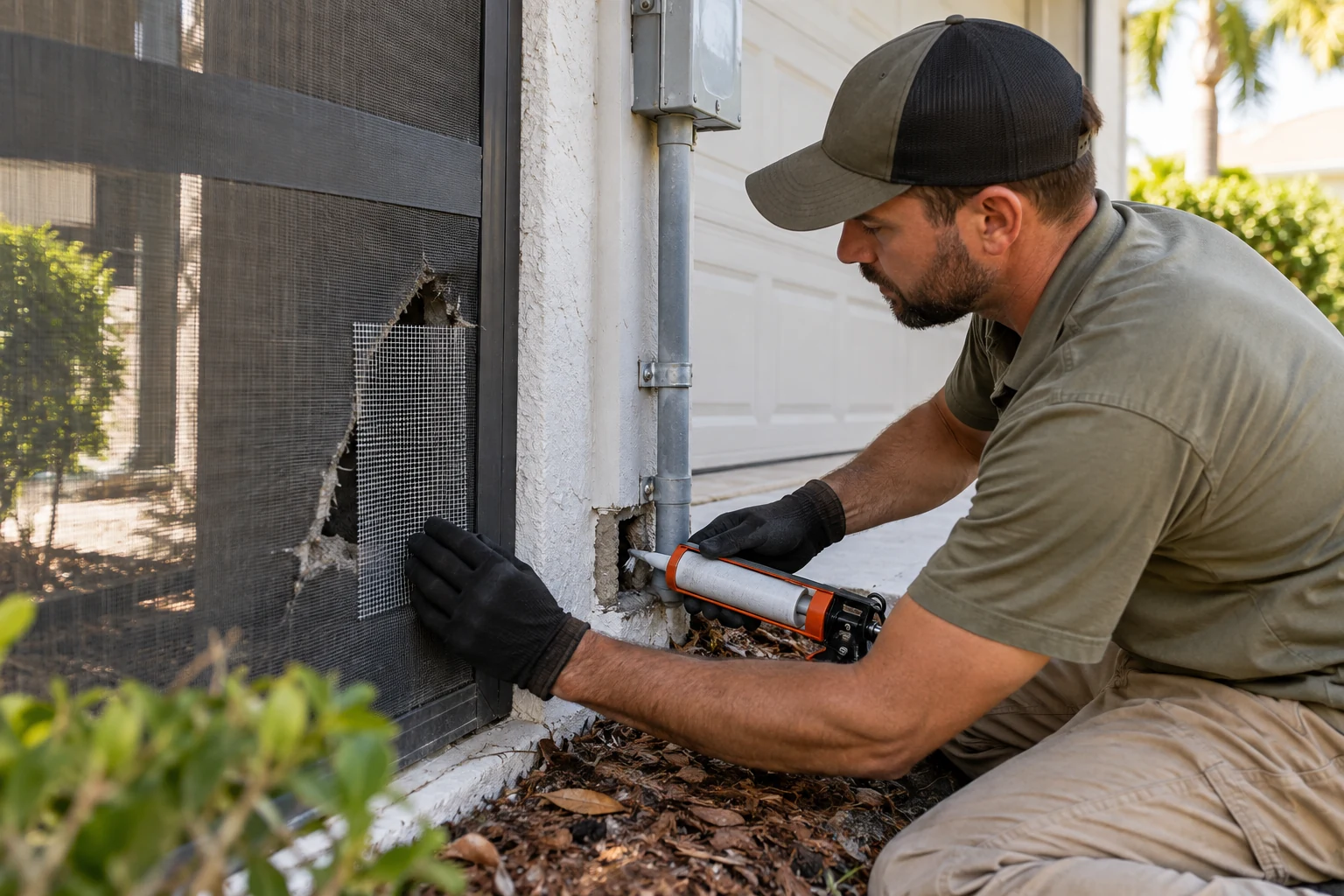
See how this related option supports Ongoing Rodent Prevention planning.
View service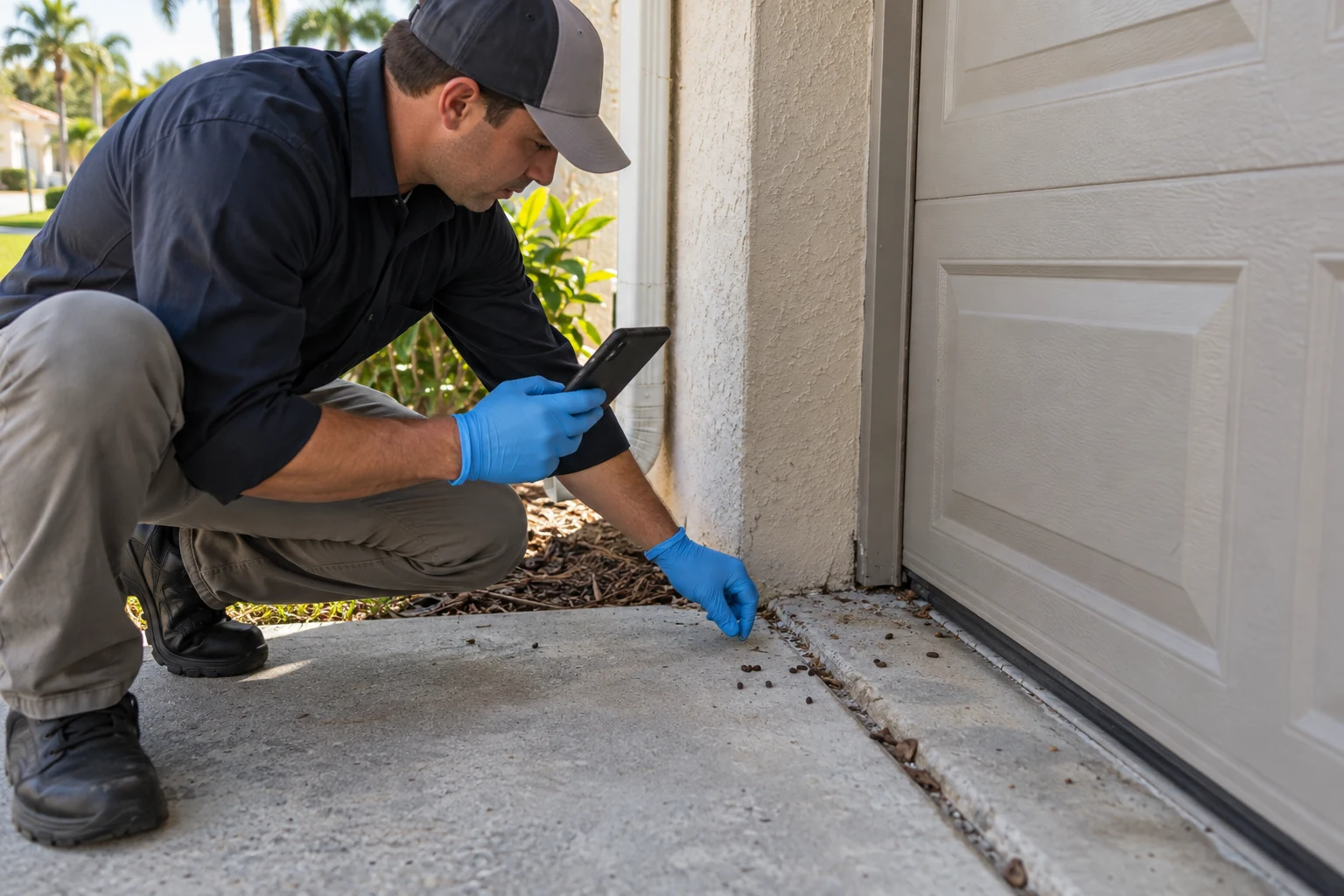
See how this related option supports Ongoing Rodent Prevention planning.
View service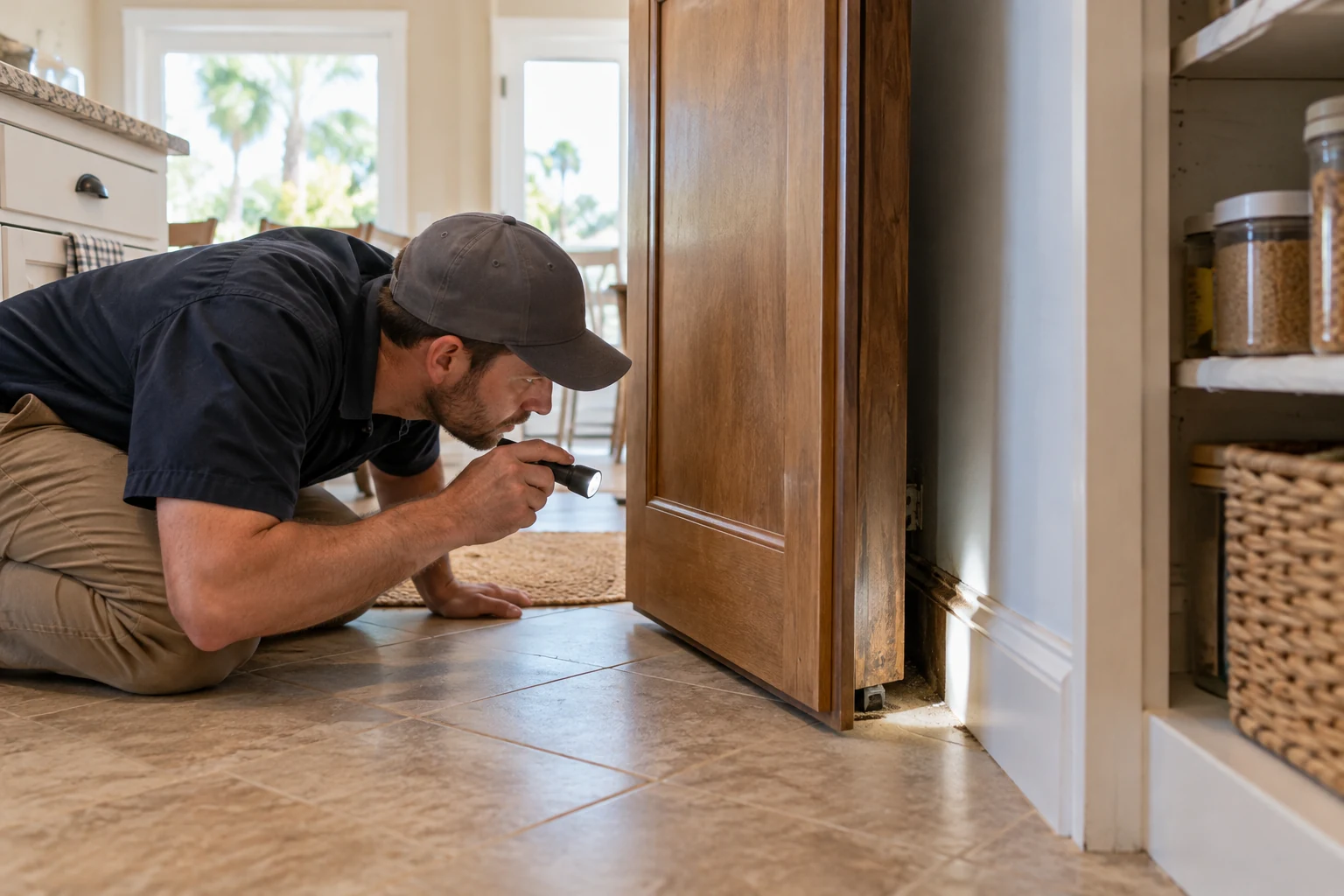
See how this related option supports Ongoing Rodent Prevention planning.
View service
See how this related option supports Ongoing Rodent Prevention planning.
View service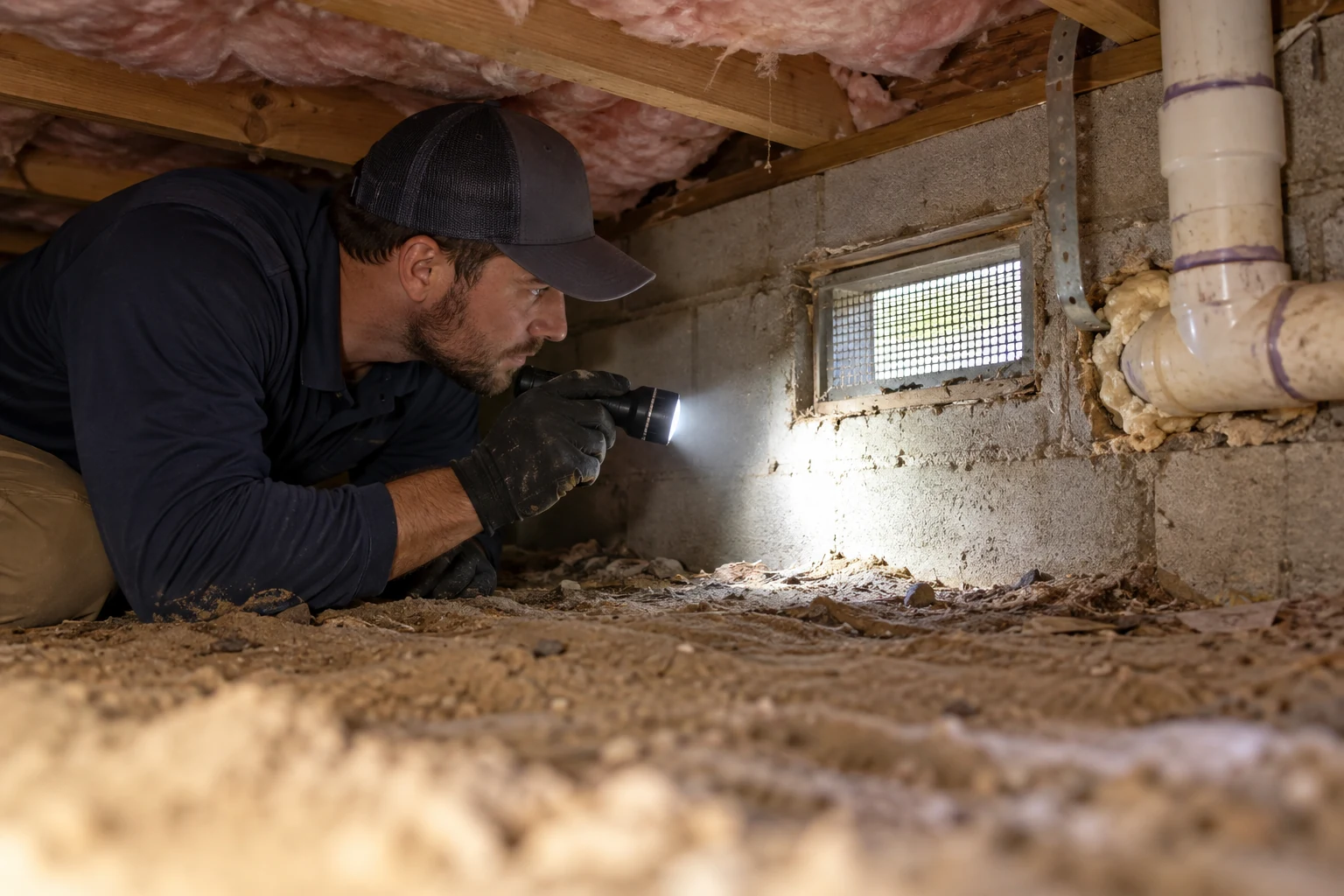
For Ongoing Rodent Prevention, tell us the property type, the affected area, the timing, and any access or household constraint.