Containment before disturbance
Limit spread before moving droppings, nesting, or affected material.
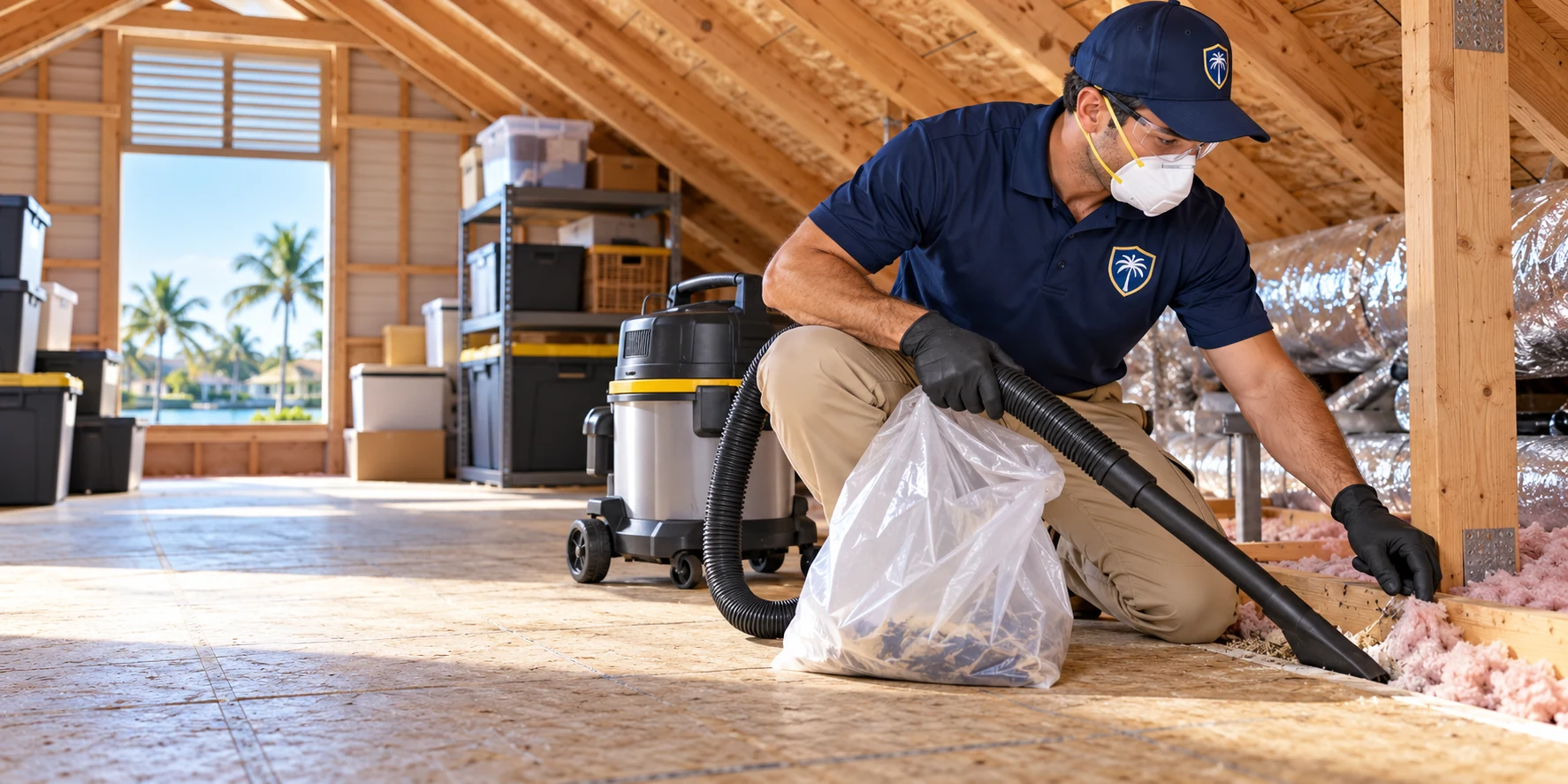
Removing the animal is not the same as restoring the area. Droppings, urine residue, nesting material, and odor can remain in attics, cabinets, garages, storage rooms, or wall voids. Cleanup should be planned around the material, the location, and how the space will be used afterward.
Limit spread before moving droppings, nesting, or affected material.
Hard surfaces, porous materials, insulation, and hidden voids need different decisions.
Treat the material holding the odor, not only the air around it.
Know what is cleanable, removable, or a restoration concern.
For Rodent Cleanup And Sanitation, the visit connects the reported signs to the building conditions that can sustain them.
A careful sanitation plan begins with limiting disturbance. We help identify what needs to be isolated, what can be cleaned, and when specialized restoration or hazardous-material guidance is more appropriate.
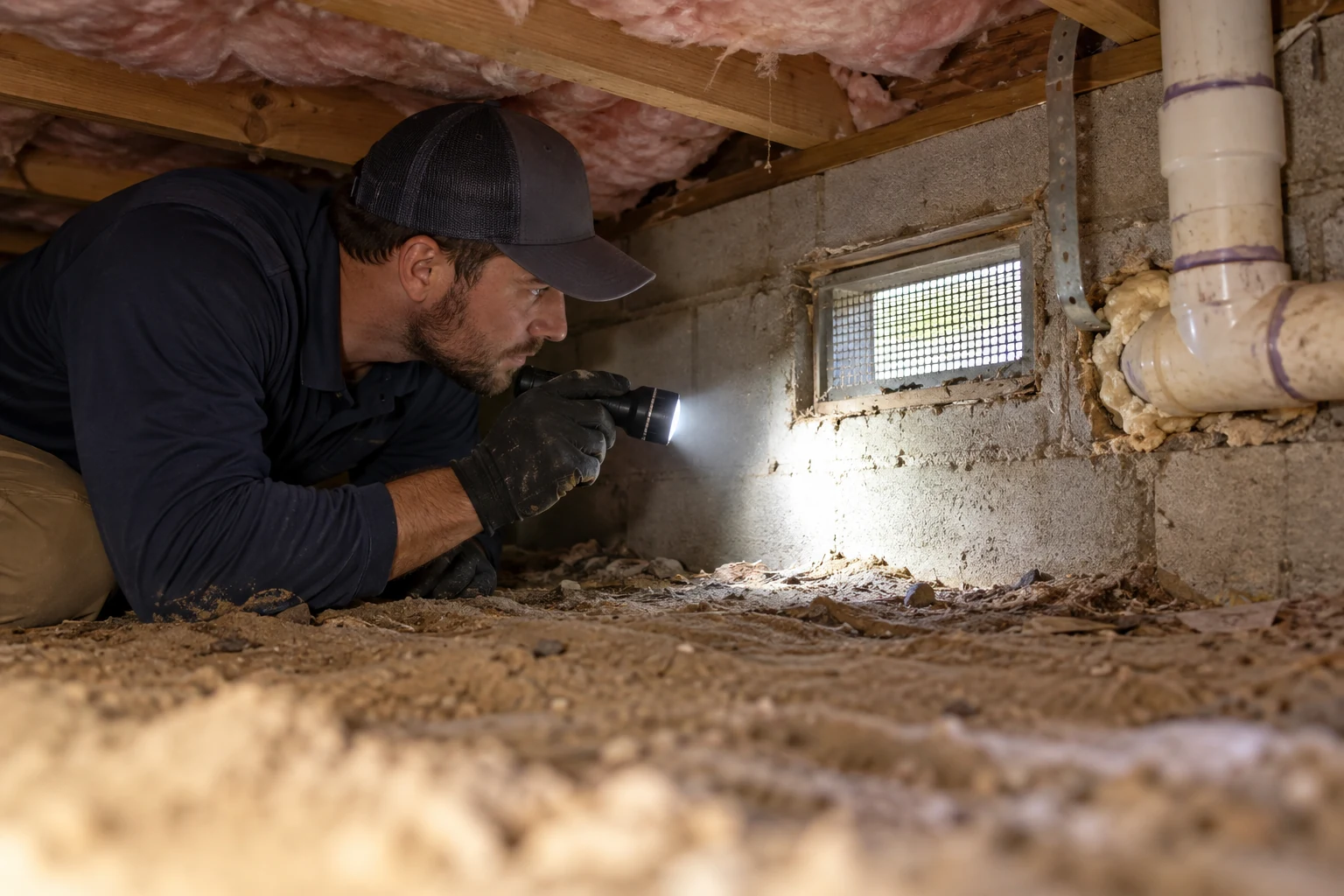
Cleanup is not a single spray or wipe. The response depends on what was affected, how porous it is, whether the source is gone, and how the space will be used.
The Rodent Cleanup And Sanitation visit follows the evidence most relevant to this service, then sets the next action in a clear order.
We identify where evidence is visible, where odor travels, and whether the affected material is hard, porous, insulated, or difficult to access.
The plan is matched to the surface and condition. Some materials can be cleaned; others may need removal, replacement, or specialist review.
Cleanup is more useful when entry points, nesting conditions, and sources of continued activity are addressed as part of the wider plan.
We give clear guidance about ventilation, access, disposal, and any remaining repair or restoration work.
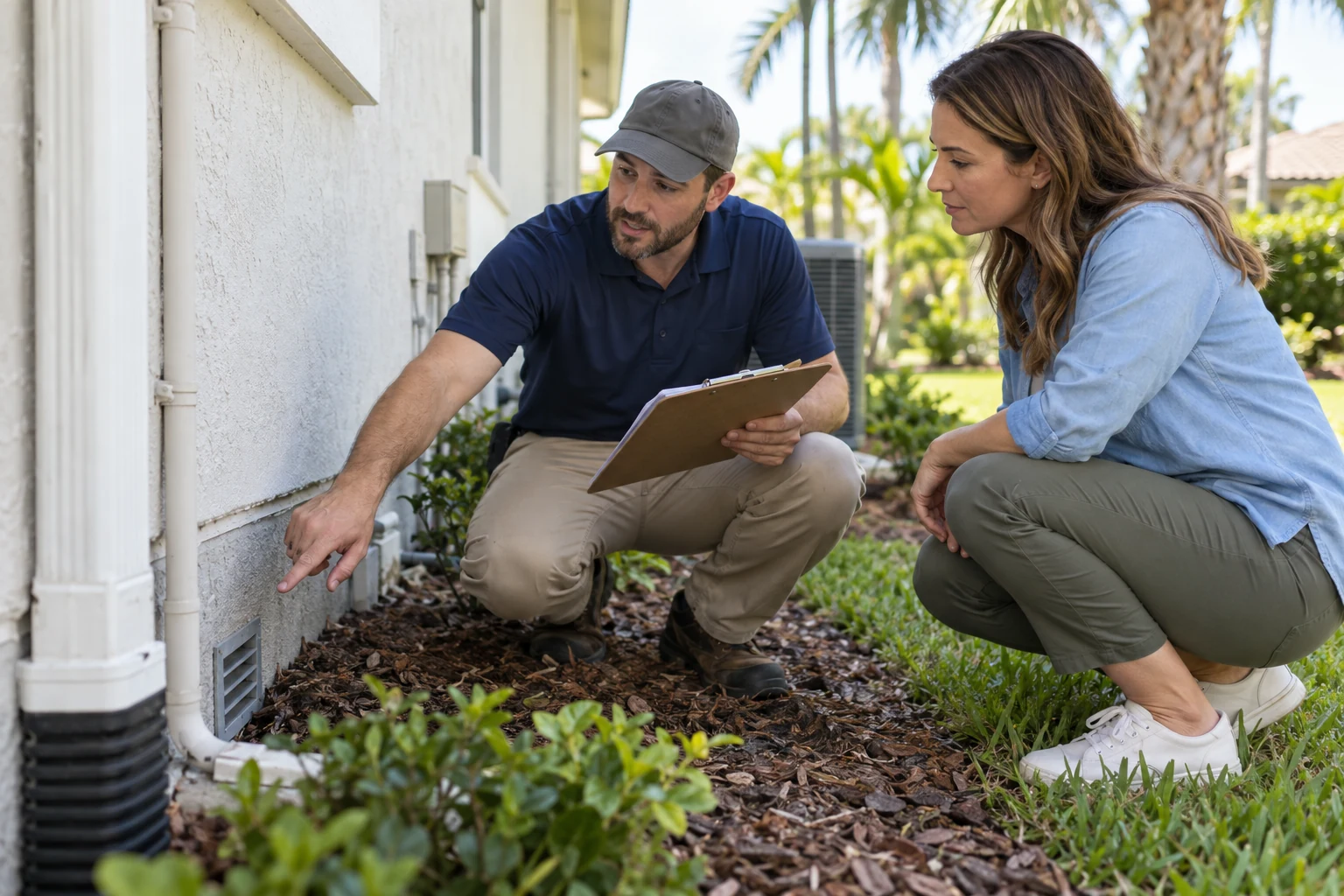
A sanitation visit is useful when it turns an unpleasant area into a defined work boundary with clear return-to-use steps.
Rodent residue behaves differently on a sealed floor, cabinet void, attic insulation, and stored textile.
Use this service after removal, around visible droppings or urine residue, when nesting remains, or when odor continues.

The surface and the source determine the responsible next action.
A surface mark and a contaminated void do not have the same work boundary.
Sealed materials may be cleanable while insulation and stored items may need removal.
Cleaning before control can lead to recontamination.
Access, ventilation, and return-to-use timing change the plan.

The safest preparation is usually less movement, not more cleaning.
Keep children, pets, and traffic away from affected material.
Avoid spreading dust or residue before the material is assessed.
Note cabinets, storage, insulation, furnishings, floors, and odor locations.
Tell us about sensitivities, occupants, and rooms needing use.
Know what was cleaned, removed, still holds odor, and when the space is ready for normal use.
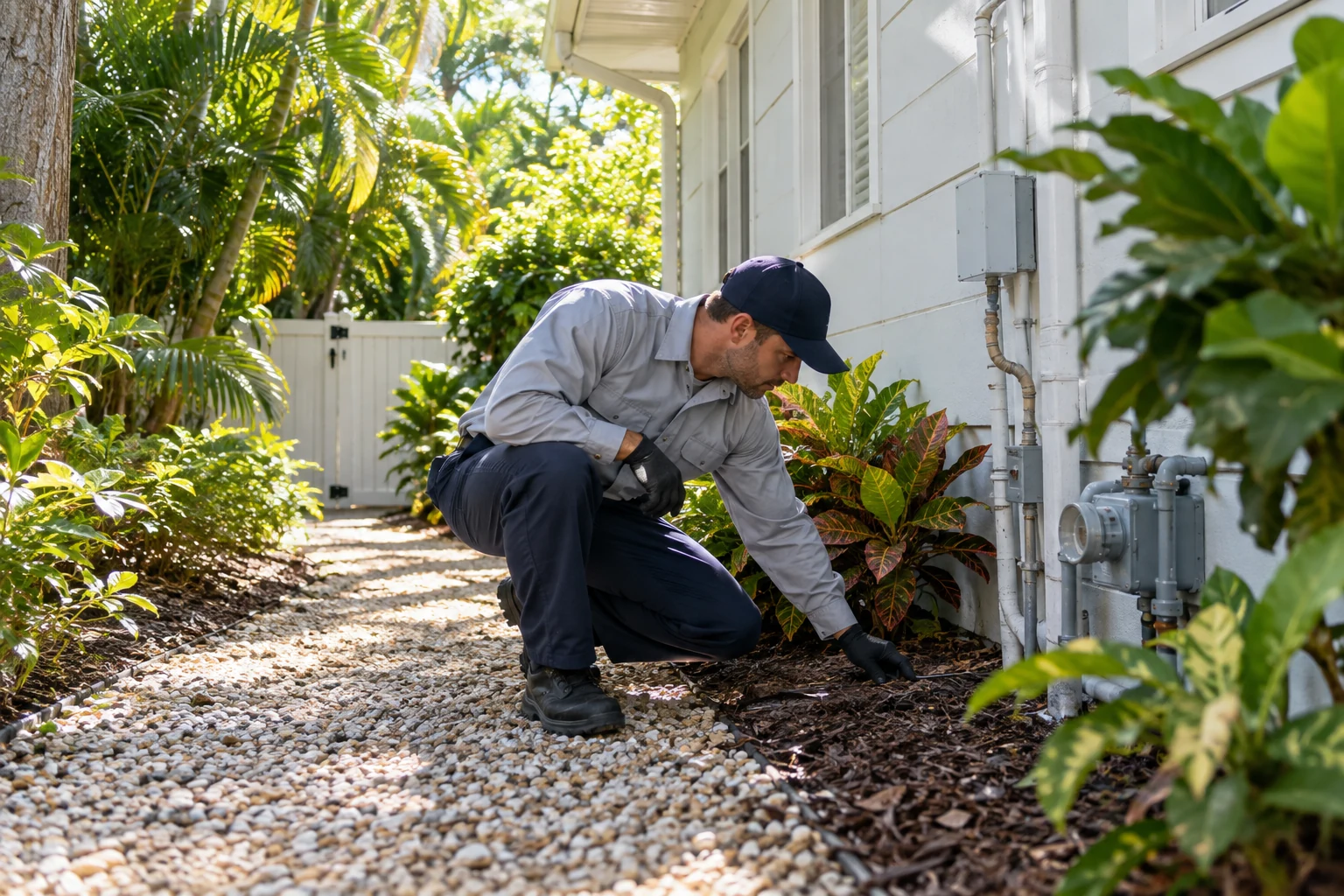
Sanitation can expose conditions hidden by odor, nesting, or stored materials.
A cabinet, wall, attic, or crawl-space boundary may need another inspection.
The source may be porous material, hidden nesting, or active entry.
Gnawing, insulation loss, or wiring concerns need repair planning.
A restoration or specialist handoff may be required.
Describe where residue, odor, nesting, or contamination remains and whether the animal has been removed.
The return decision depends on the material, the source, and what remains after visible cleaning.
Separate hard surfaces, porous items, insulation, and hidden voids
Record whether removal and entry-point work are complete
Explain when the room, storage, or business area must reopen
Avoid dry sweeping or vacuuming unknown contamination. Ask for guidance first so the material can be assessed and handled with an appropriate method.
Odor depends on the material affected and whether the source has been removed. Porous insulation or hidden voids may need additional restoration.
Often, yes. Residue and nesting material can remain after removal, and cleanup helps return the space to normal use.
The answer depends on the insulation type and condition. We can identify when removal or a qualified insulation contractor is more appropriate.
For Rodent Cleanup And Sanitation, describe the affected space, the timing, and what has already changed so the first conversation is useful.
Describe the problem
See how this related option supports Rodent Cleanup And Sanitation planning.
View service
See how this related option supports Rodent Cleanup And Sanitation planning.
View service
See how this related option supports Rodent Cleanup And Sanitation planning.
View service
See how this related option supports Rodent Cleanup And Sanitation planning.
View service
For Rodent Cleanup And Sanitation, tell us the property type, the affected area, the timing, and any access or household constraint.